About

Alpha Phi Alpha Fraternity, Inc.

Alpha Phi Alpha was founded at Cornell University in 1906 by seven men who had, on that campus, very nearly no one but each other.


The Seven Jewels

The visionary founders, known as the Jewels of the Fraternity.

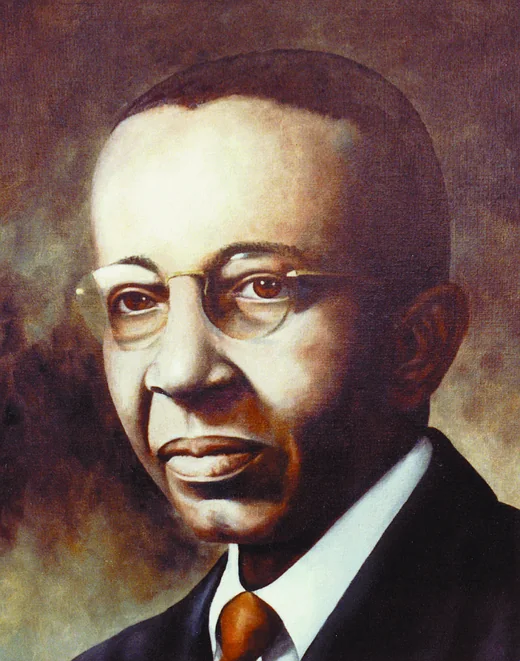
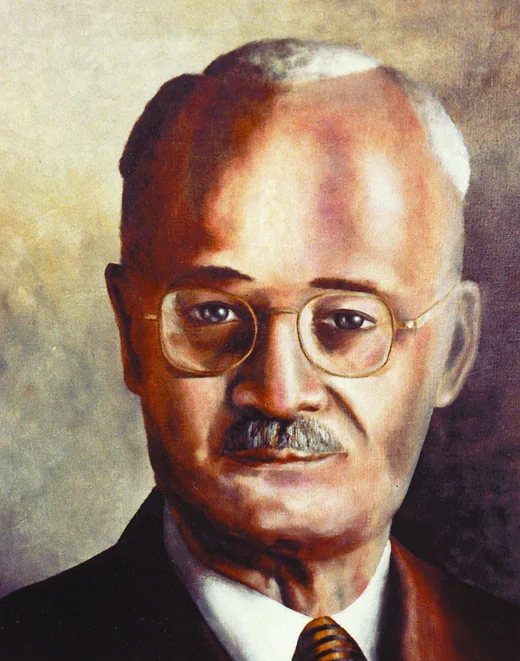
Painted portrait of Jewel Henry Arthur Callis, a founder of Alpha Phi Alpha Fraternity, Inc.
Henry ArthurCallis
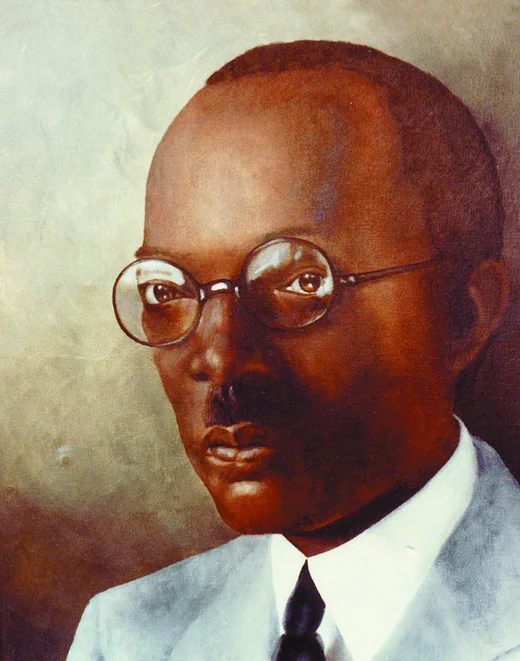
Painted portrait of Jewel Charles Henry Chapman, a founder of Alpha Phi Alpha Fraternity, Inc.
Charles HenryChapman
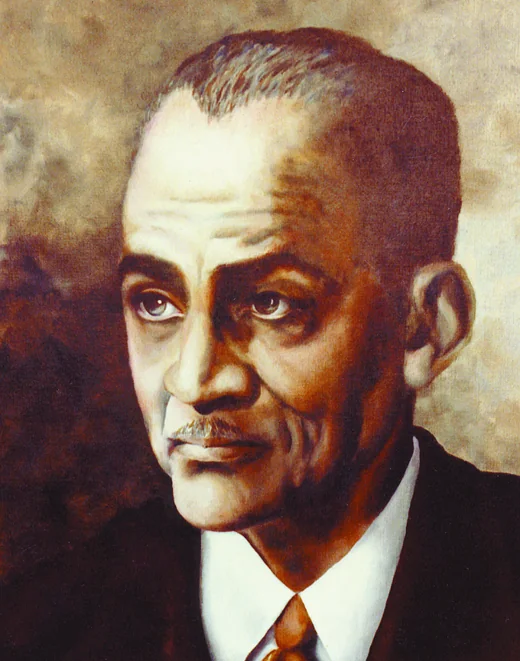
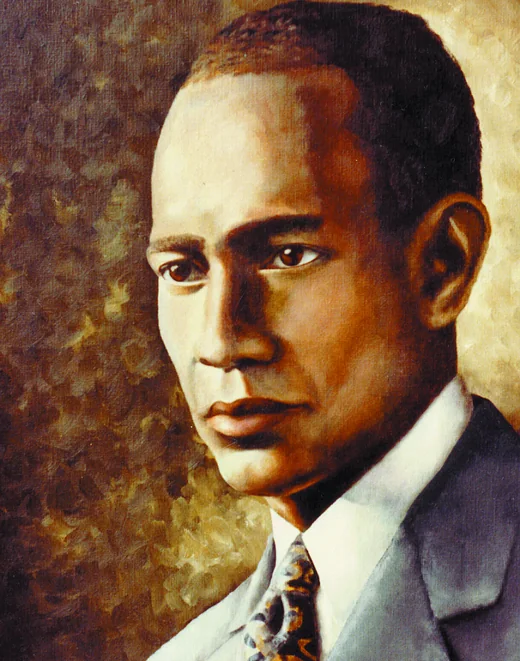
Painted portrait of Jewel Eugene Kinckle Jones, a founder of Alpha Phi Alpha Fraternity, Inc.
Eugene KinckleJones
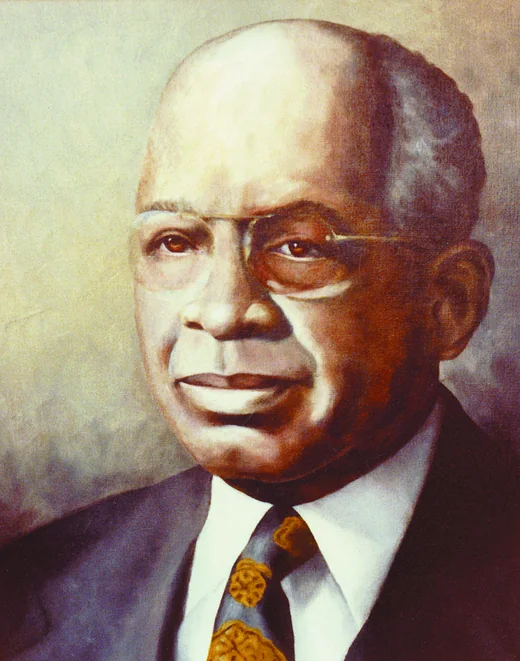
Painted portrait of Jewel George Biddle Kelley, a founder of Alpha Phi Alpha Fraternity, Inc.
George BiddleKelley
Painted portrait of Jewel Nathaniel Allison Murray, a founder of Alpha Phi Alpha Fraternity, Inc.
Nathaniel AllisonMurray
Painted portrait of Jewel Robert Harold Ogle, a founder of Alpha Phi Alpha Fraternity, Inc.
Robert HaroldOgle
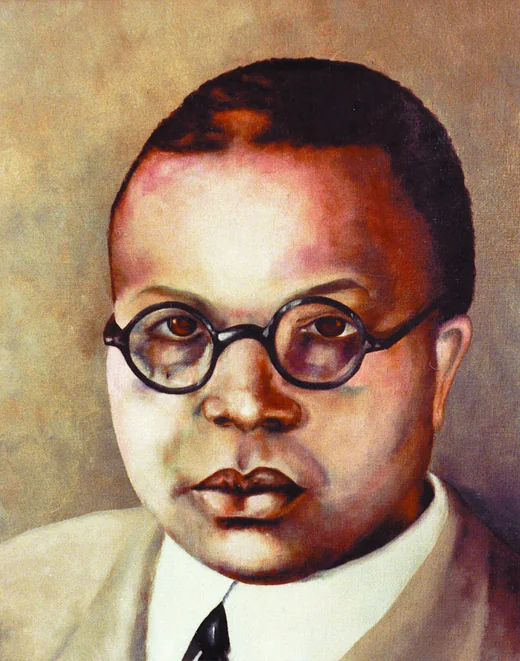
Painted portrait of Jewel Vertner Woodson Tandy, a founder of Alpha Phi Alpha Fraternity, Inc.
Vertner WoodsonTandy

What Became of Them

Seven students in 1906. A physician, an engineer, an architect, a professor, a teacher, a Senate staffer, and the man who would run the National Urban League.

Henry Arthur Callis
1887–1974

Physician, and Professor of Medicine at Howard. Often called the philosopher of the founders, and the only one of the Cornell seven to become General President. When he died in 1974 the Fraternity entered a time with no living Jewels.

Charles Henry Chapman
1870–1934

Professor of Agriculture at what is now Florida A&M, and a founder of its Beta Nu chapter. First chairman of Alpha Chapter's Committees on Initiation and Organization, and the first Jewel to enter Omega Chapter.

Eugene Kinckle Jones
1885–1954

First executive secretary of the National Urban League, where he served twenty years. He organized the first three chapters to branch out from Cornell, named the Fraternity with Callis, and helped write the ritual.

George Biddle Kelley
1884–1962

The first African-American engineer registered in the state of New York, and the strongest proponent of the fraternity idea among the founders. Alpha Chapter's first president.

Nathaniel Allison Murray
1884–1959

A teacher in the public schools of Washington, D.C., much of his career spent at Armstrong Vocational High School. He sat on Alpha Chapter's first committee on organization.

Robert Harold Ogle
1886–1936

A professional staff member of the United States Senate Committee on Appropriations, and a pioneer in that role. He proposed the Fraternity's colors and was Alpha Chapter's first secretary.

Vertner Woodson Tandy
1885–1949

New York State's first registered Black architect. He designed the Fraternity pin, was Alpha Chapter's first treasurer, and took the initiative to incorporate the Fraternity.

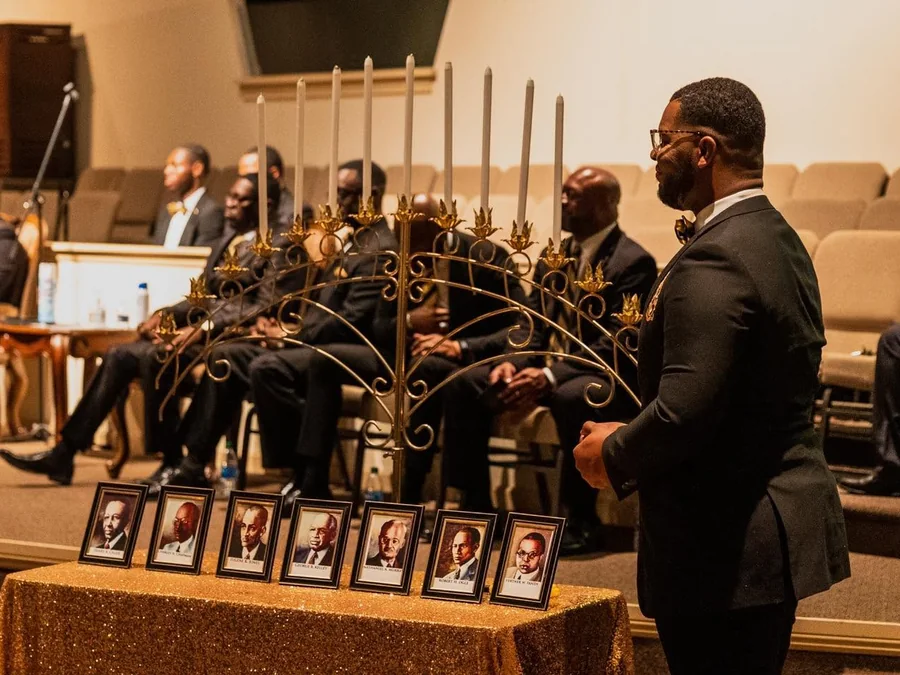
The seven framed portraits of the Jewels set out on the chapter's altar table beneath a seven-branch candelabrum, with brothers seated behind, at a Founders' Day observance in Macon.

History

The most remarkable leadership in the African-American community in the twentieth century came, without question, from the ranks of Alpha Phi Alpha Fraternity, Inc. Since its founding on 4 December 1906, the Fraternity has supplied voice and vision to the struggle of African Americans and people of color around the world.

Alpha Phi Alpha is the first intercollegiate Greek-letter fraternity in the United States established for men of African descent. It was founded at Cornell University in Ithaca, New York by seven college men who recognized the need for a strong bond of brotherhood between African Americans.

These seven young men felt there was a need for more Black unity on Cornell's predominantly white campus. Since other avenues in Greek life were not readily accessible to Black students at the time, they took it upon themselves to take the first steps in forming the traditional Black Greek system.

The Fraternity initially served as a study and support group for minority students who faced racial prejudice — educationally and socially — at Cornell. In those beginning days the Jewel founders and early leaders worked to lay a solid foundation for Alpha Phi Alpha's principles of scholarship, fellowship, good character, and the uplifting of humanity.

Today Alpha Phi Alpha Fraternity, Incorporated exceeds 125,000 members and has over 700 chapters across the fifty states and abroad. Its philanthropies are the NAACP, the United Negro College Fund, and the National Urban League.

Mission

Alpha Phi Alpha Fraternity, Inc. develops leaders, promotes brotherhood and academic excellence, while providing service and advocacy for our communities.

Objective

To stimulate the ambition of its members; to prepare them for the greatest usefulness in the causes of humanity, freedom and dignity of the individual; to encourage the highest and noblest form of manhood; and to aid down-trodden humanity in its efforts to achieve higher social, economic and intellectual status.
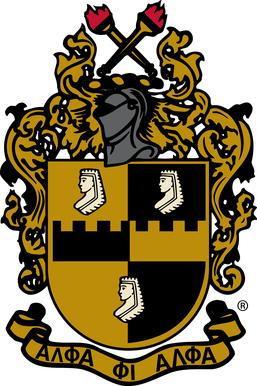
The coat of arms of Alpha Phi Alpha Fraternity, Inc.
Founded
4 December 1906
Where
Cornell University
Ithaca, New York
First
The first intercollegiate Greek-letter fraternity established for men of African descent
Aims
Manly deeds, scholarship, and love for all mankind
Motto
First of All, Servants of All, We Shall Transcend All
Colors
Black and old gold
Members
Over 125,000, in more than 700 chapters
National
apa1906.net

Its Brothers

Martin Luther King Jr., Thurgood Marshall, W. E. B. Du Bois, Paul Robeson, Jesse Owens, Duke Ellington and Andrew Young were all Alpha men. So are tens of thousands of brothers who never made a headline and did the work anyway.
Hear From the Chapter

Scholarship cycles, Alpha Esquires, and what the chapter is doing in Middle Georgia. A few times a year, and never your details to anybody else.